Dissertation
My dissertation examines how planning processes and policy framing shape biosolids governance in Florida, with a focus on urban–rural distribution and environmental justice. It traces how biosolids policies are developed, implemented, and contested across multiple scales of governance, and links planning theory and environmental justice to regional waste management.
Biosolids in Florida
Biosolids are the treated solids left over from wastewater treatment. In Florida, much of this material is spread on land as fertilizer, often far from the cities that produce it. That raises questions about water quality, rural communities, and who decides.
Biosolids in Florida: An Assessment of Management and Impacts
1000 Friends of Florida, 2025. My role: GIS analysis, spatial assessment, policy analysis, and co-authorship.
Read the report (PDF) Watch the webinar Explore the StoryMap
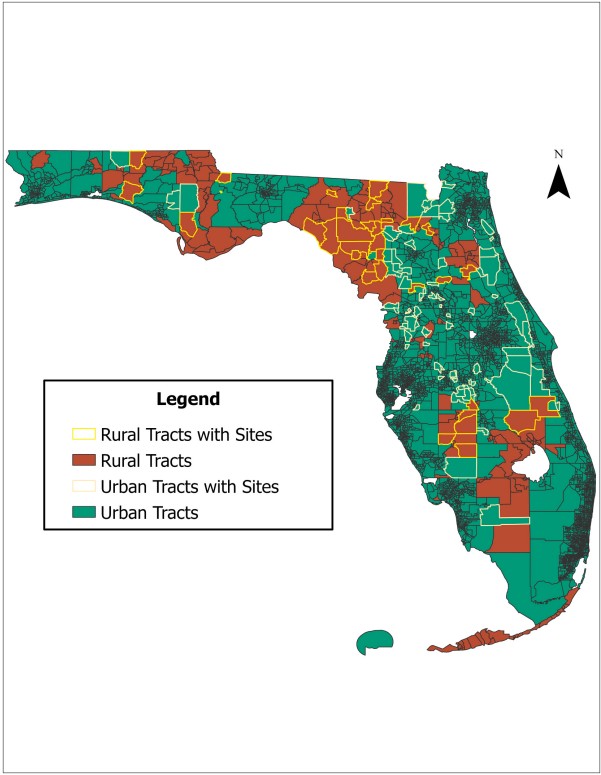
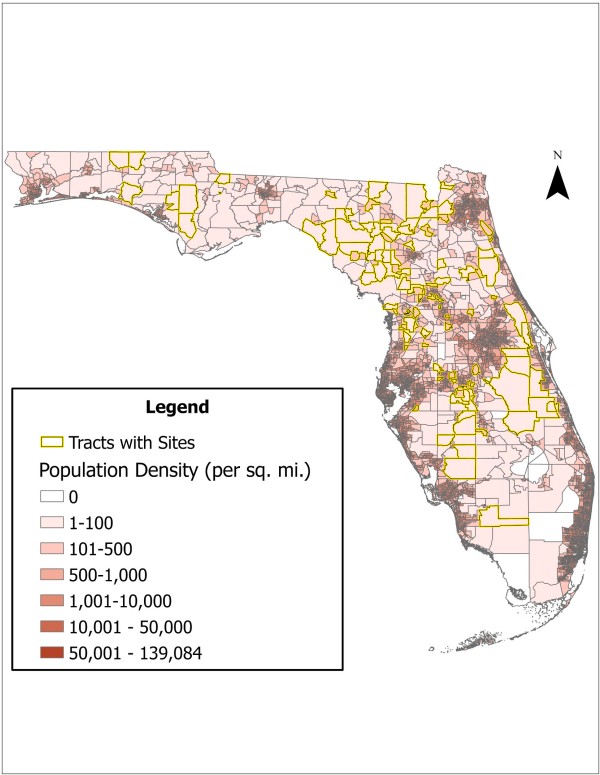
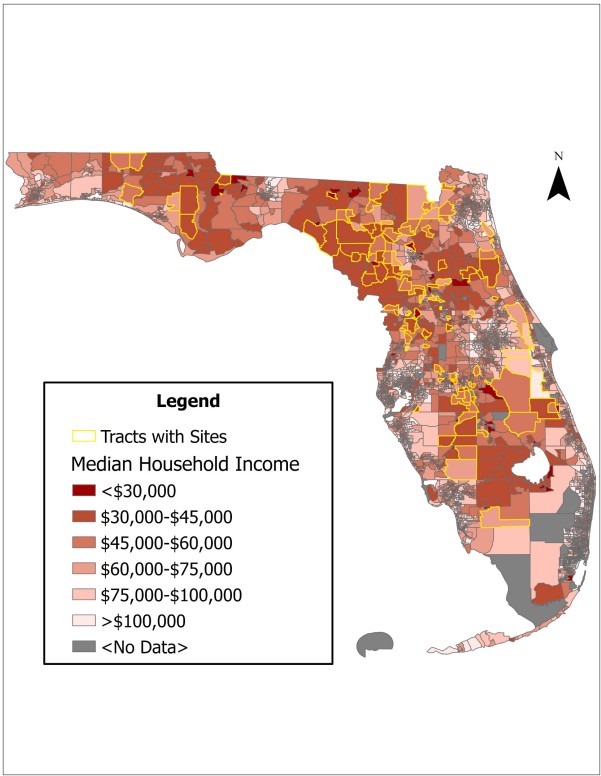
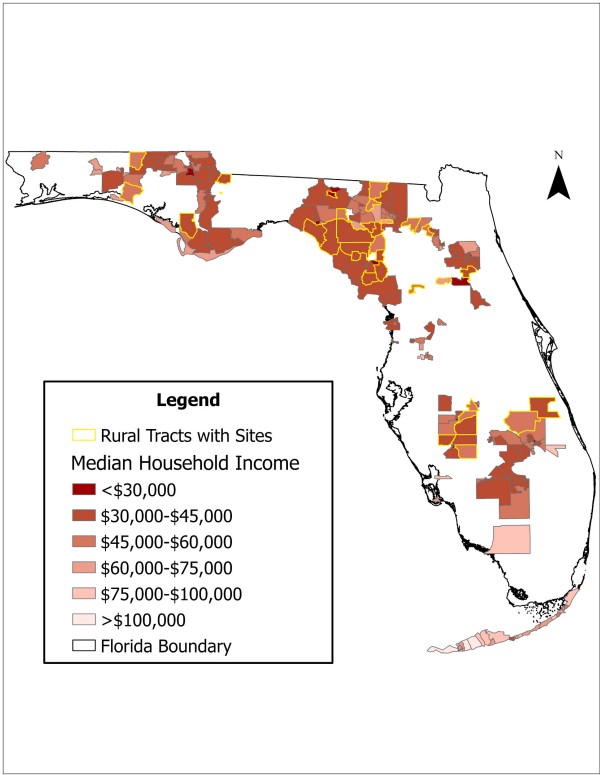
Biosolids Maps
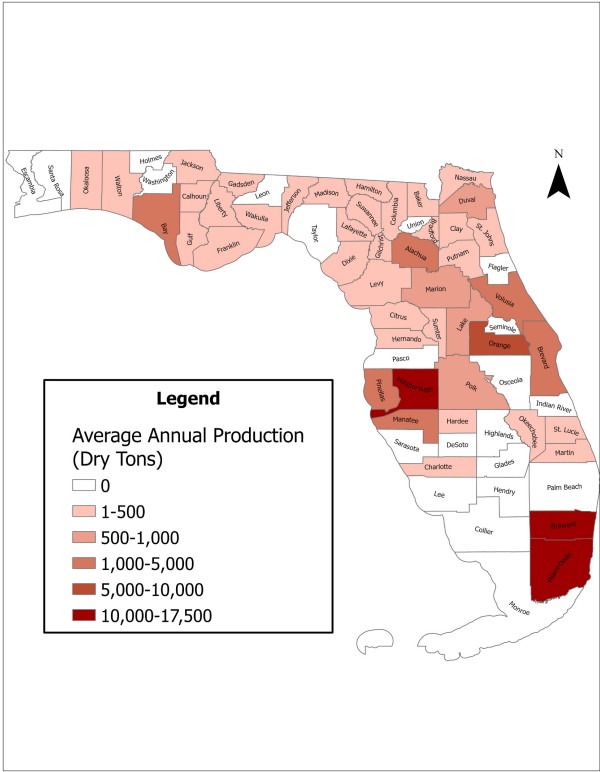
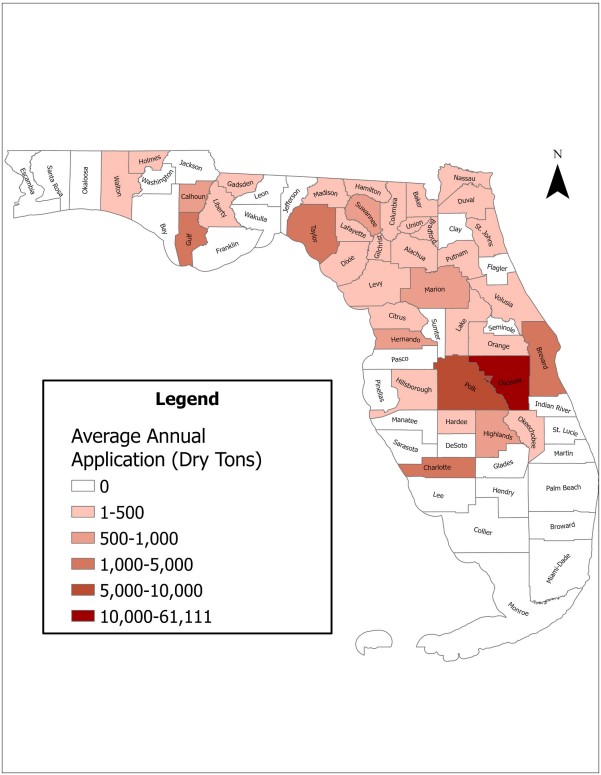
Where Florida’s biosolids are produced compared with where they end up, and who lives in the places that receive them. Use the arrows or thumbnails to flip through them, and click a map to see it full size.
In the News
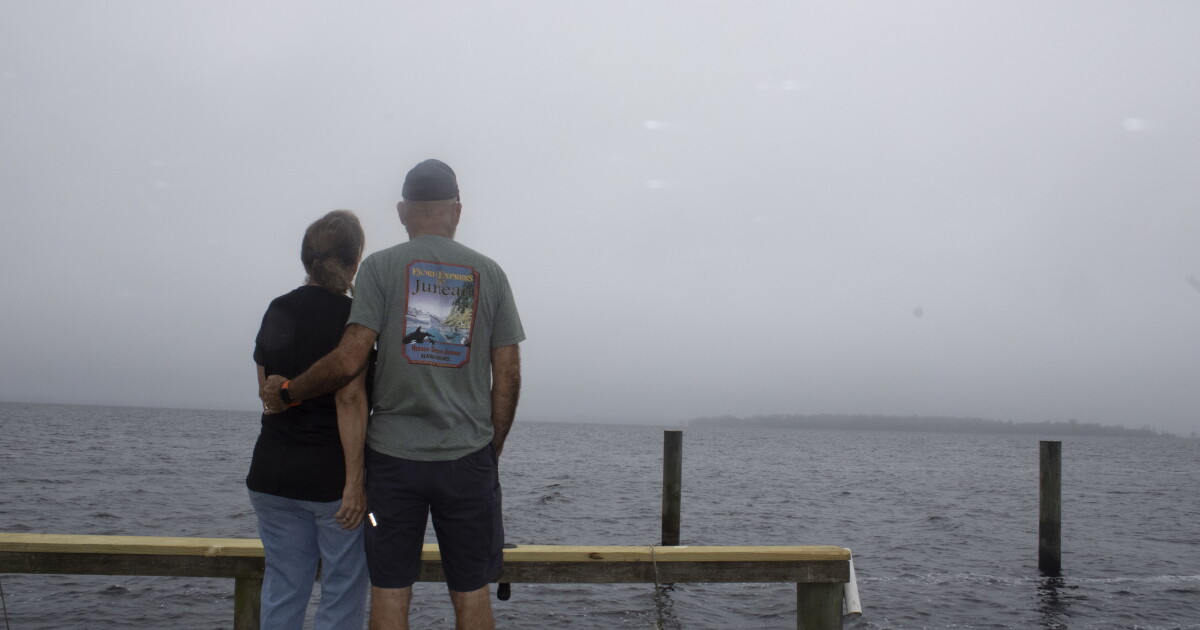
WUFT News, December 29, 2025
Urban Waste, Rural Consequences
By Alanna F. Robbert. Features an interview with me on why rural communities are left out of biosolids planning.
"It's mostly a planning issue that rural residents aren't included in the planning process."
Photo: Alanna Robbert/WUFT News
Key literature
- Jones, C. C. (2011). Environmental justice in rural context: Land-application of biosolids in central Virginia. Environmental Justice, 4(1), 1–15. Link
- Lowman, A., et al. (2013). Land application of treated sewage sludge: Community health and environmental justice. Environmental Health Perspectives, 121(5), 537–542. Link
- Walker, C., Mason, S., & Bednar, D. (2018). Sustainable development and environmental injustice in rural Ontario, Canada: Cases of wind energy and biosolid processing. Journal of Rural and Community Development, 13(2). Link